
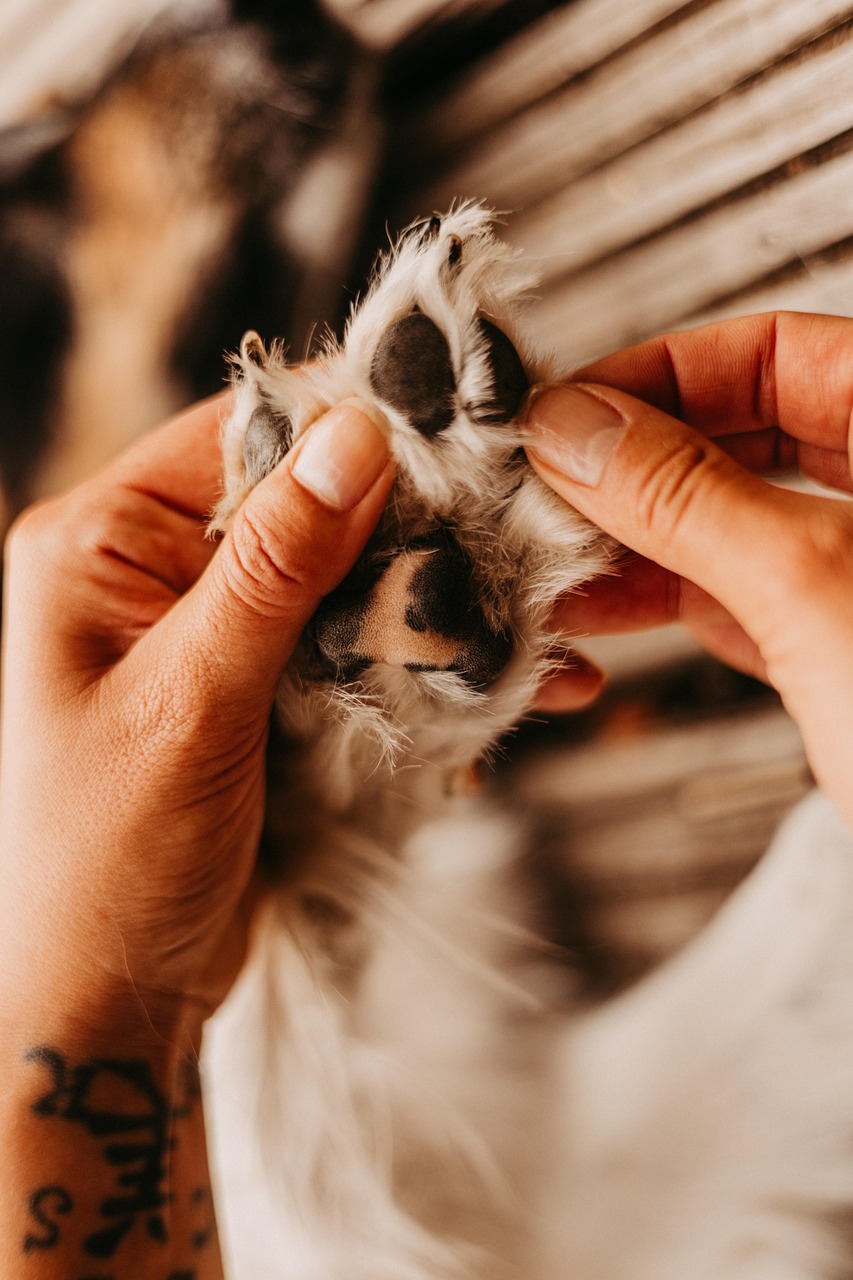
If your dog is suddenly scratching more than usual or your cat seems to be grooming excessively, spring allergies may be the cause. As flowers bloom and grass pollen fills the air, seasonal allergies become one of the most common reasons pets visit the veterinarian in April. At Applebrook Animal Hospital (here in the Southeast), we see more than our share of seasonal allergies in everyone!
Unlike humans, dogs and cats rarely sneeze or develop runny noses with allergies. Instead, allergies most often show up as itchy skin, ear infections, and chronic discomfort. Understanding the signs of spring allergies—and knowing when to seek veterinary care—can help your pet feel more comfortable as the season changes.
What Causes Spring Allergies in Dogs and Cats?
Spring allergies are most commonly caused by environmental allergens that pets encounter outdoors and indoors.
Common allergens include:
Tree and grass pollen
Mold spores
Dust mites
Yard treatments and lawn chemicals
Pets absorb allergens through their skin, paws, ears, and respiratory system. Over time, repeated exposure can trigger an inflammatory response, even if your pet has never had allergy symptoms before. For more info about allergies in pets, check out this site https://www.avma.org/resources-tools/pet-owners/petcare/allergies-pets.
Why Pets Develop Allergies Over Time
Many pet owners are surprised when a dog or cat suddenly develops allergies as an adult. Unlike food allergies—which can appear at any age—environmental allergies typically develop after repeated exposure over several seasons. The American College of Veterinary Dermatologists is an excellent resource for more information.
Each year, your pet’s immune system may become more reactive, leading to worsening symptoms each spring if left untreated.
Common Signs of Spring Allergies in Dogs
Spring allergies in dogs and cats most often show up as itchy skin and ear infections rather than sneezing.
Common signs include:
Excessive scratching or licking
Chewing or biting at paws
Red or inflamed skin
Recurrent ear infections
Face rubbing
Hair loss or thinning coat
Hot spots
These symptoms are not just irritating—they can become painful and lead to bacterial or yeast infections if not addressed. For more details on signs of allergy in pets, check out https://www.vet.cornell.edu/departments-centers-and-institutes/riney-canine-health-center/canine-health-topics/atopic-dermatitis-atopy.
Allergy Symptoms in Cats Can Be Subtle
Cats with allergies may not scratch openly the way dogs do. Instead, signs may include:
Excessive grooming or over-grooming
Hairballs or hair loss
Small scabs around the head and neck
Head shaking or ear discomfort
Behavioral changes such as hiding or irritability
Cats often hide discomfort extremely well, so any change in grooming or skin condition warrants evaluation.
The Connection Between Allergies and Ear Infections
Spring allergies are one of the most common underlying causes of chronic or recurring ear infections in dogs and cats.
Allergic inflammation:
Changes the ear environment
Allows yeast and bacteria to thrive
Causes pain and swelling
Leads to chronic issues if not treated properly
Treating ear infections alone without addressing the underlying allergy often results in repeated flare-ups.
Why Flea Control Matters Even More in Spring
Even one flea bite can cause intense itching in pets with flea allergy dermatitis. This is why effective flea prevention remains essential, even when allergies are primarily environmental.
Consistent parasite prevention helps eliminate fleas as a complicating factor and allows allergy treatment to be more effective.
Diagnosing Allergies: Why a Veterinary Exam Matters
There is no single test that definitively diagnoses environmental allergies. Diagnosis is typically based on:
History and seasonal patterns
Physical examination findings
Ruling out parasites and infections
Response to treatment
Attempting to treat itchy pets at home without guidance can delay proper care and worsen skin infections.
Treatment Options for Spring Allergies
Treatment is tailored to each pet’s symptoms, lifestyle, and health history.
Common allergy management strategies include:
Prescription allergy medications
Anti-inflammatory therapies
Medicated shampoos or wipes
Ear infection treatment when needed
Environmental management recommendations
Many pets benefit from early intervention in April before symptoms become severe.
Why Allergies Shouldn’t Be Ignored
Chronic itching is not just uncomfortable—it affects your pet’s quality of life. Untreated allergies can lead to:
Thickened, damaged skin
Chronic ear disease
Secondary infections
Permanent changes to the ear canal
Early diagnosis and proactive management can dramatically reduce flare-ups and discomfort throughout the spring and summer.
At-Home Tips to Reduce Allergy Exposure
While allergies cannot be cured, exposure can often be minimized.
Helpful steps include:
Wiping paws after outdoor walks
Washing bedding frequently
Using veterinarian-recommended shampoos
Vacuuming and dust control indoors
Staying consistent with flea prevention
These steps support—not replace—veterinary treatment.
When to Schedule a Veterinary Visit
If your pet shows signs of itching, ear discomfort, or skin changes in April, it’s time to schedule an exam. Early care often means:
Faster relief
Fewer infections
Less need for repeated medications
Improved comfort throughout allergy season
Helping Your Pet Enjoy Spring Comfortably
Spring should be a time when pets enjoy the outdoors—not suffer from itching and irritation. Allergies are manageable, especially when addressed early and with a comprehensive plan.
If your dog or cat is scratching, licking, or showing signs of ear trouble, the team at Applebrook Animal Hospital can help identify the cause and create a treatment plan tailored to your pet’s needs.
Schedule an exam by clicking here and help your pet enjoy a healthier, more comfortable spring.