
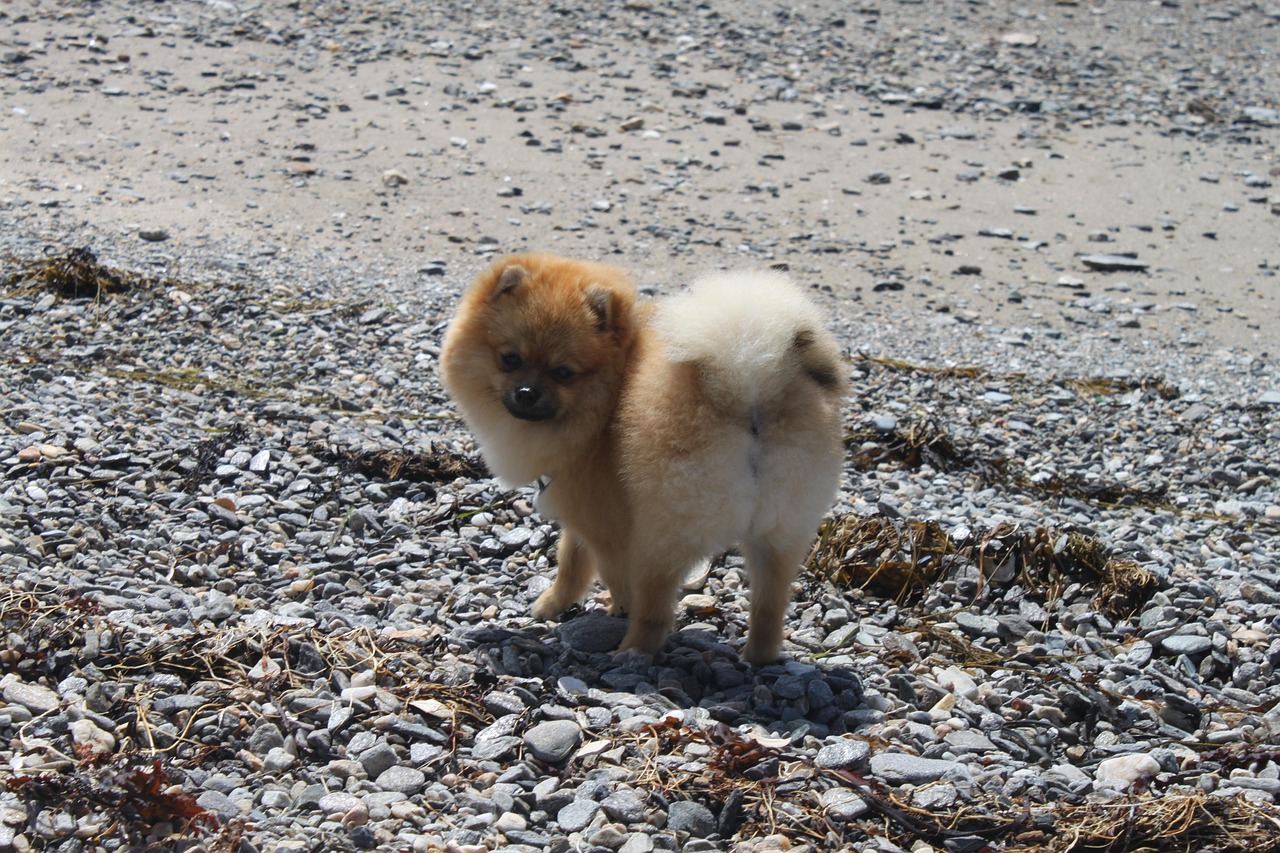
Let’s be honest.
Butts are interesting…and necessary. Everyone has one, but your dog’s butt is kind of your responsibility too and dog butt health: scooting, anal glands & poop are the makings of an engaging article!
Your dog’s rear end is weird, wonderful, occasionally horrifying, and—whether you want to admit it or not—fascinating. It scoots across your carpet. It greets guests before the dog’s face does. It produces smells that could clear a room and sometimes gifts that appear in the yard like cursed Easter eggs.
And yet, despite how much time we all spend thinking about our dogs’ butts, very few people actually talk about them.
Until now.
As a veterinarian, I can tell you that your dog’s behind is one of the most important windows into their health. And as a human who has spent decades answering awkward questions, I can also tell you that you are definitely not the only one wondering, “Is that normal?”
So let’s lean in. Let’s talk butts. 🍑
A Quick Tour of the Business End
Your dog’s backside is more than just an exit door.
Back there we have:
The anus (obviously)
Anal sacs (less obvious, but very smelly)
Skin, fur, and sometimes… mysteries
A direct line of communication with other dogs (yes, that kind)
Dogs experience the world butt-first. While we shake hands, dogs exchange personal information by sniffing each other’s rear ends. Think of it as LinkedIn, but with fewer endorsements and more mucus.
Those anal glands? They contain scent markers that identify your dog like a fingerprint. When everything is working correctly, they empty naturally when your dog poops. When they don’t… well, we’ll get there.
My Ask A Vet blog on iheartdogs.com https://iheartdogs.com/a-pain-in-the-rear-5-signs-your-dog-has-butt-problems/. (Because clearly, I am forced to think about butts too much and it has to come out somewhere!)
Why Is My Dog So Obsessed With Other Dogs’ Butts?
Short answer: because it’s social media for dogs.
That sniff tells them:
Who you are
Your gender
Whether you’re stressed
What you’ve been eating
Possibly your political affiliation (okay, not really—but it feels that intimate)
When dogs meet face-to-face, it’s polite. When they circle around and sniff butts, it’s informative. Preventing that behavior is like refusing to let someone read the name badge at a conference.
If your dog is especially enthusiastic about butt-sniffing, congratulations: you have a dog who is very invested in networking.
The Scoop on Scooting
Few things strike terror into a pet parent’s heart like the sound of a dog dragging their butt across the rug.
Scooting is not a diagnosis. It’s a sign. And it usually means one of three things:
Anal glands are full or impacted
Itchy skin or allergies
Parasites (hello, tapeworms)
Anal gland issues are the most common culprit. When the sacs don’t empty properly, pressure builds. It’s uncomfortable. Imagine needing to pop a zit… with your butt. Scooting is your dog’s DIY solution.
Important note: occasional scooting happens. Frequent scooting is your dog filing a formal complaint.
Anal Glands: The Tiny Scent Bombs No One Warned You About
Let’s talk about the stink.
Anal gland fluid smells like a combination of rotten fish, hot garbage, and regret. If you’ve ever smelled it, you will never forget it. If you haven’t—may your streak continue.
Some dogs never have problems. Others need regular help. Small dogs, overweight dogs, and dogs with soft stools tend to struggle more.
Signs of anal gland trouble include:
Scooting
Excessive licking of the rear
A fishy smell
Swelling or redness near the anus
Sudden yelping when sitting
Please don’t feel bad if you don’t want to express them yourself. That is a completely valid boundary.
Let’s Talk Poop (Because You’re Already Looking)
You know you inspect your dog’s poop.
We all do.
It’s one of the few times your dog’s internal health is… external. Stool tells us about digestion, diet, parasites, hydration, and disease.
Ideal dog poop is:
Firm but not hard
Log-shaped
Easy to pick up
Chocolate brown (sorry, but it matters)
Red flags include:
Diarrhea lasting more than 24–48 hours
Blood or mucus
Black, tarry stool
Straining without producing much
Sudden changes with no diet change
Yes, it’s gross. But it’s also data.
If you REALLY want to “dig in” check out this article about poop color from Elanco Pet Health.
Butt Licking: When Is It Too Much?
Some licking is normal. Dogs groom themselves. But when licking becomes obsessive, it’s time to investigate.
Common causes:
Anal gland discomfort
Allergies
Skin infections
Pain
Behavioral stress
If your dog is spending more time licking their rear than interacting with the world, that’s not self-care—that’s a problem.
Here is a great resource for more: https://www.vet.cornell.edu/departments/riney-canine-health-center/canine-health-information/anal-sac-disease-dogs
The Dreaded “Something Is Sticking Out”
Few moments are more panic-inducing than seeing something protruding from your dog’s butt.
Possibilities include:
Tapeworm segments (look like rice)
Rectal prolapse (medical emergency)
Foreign material (string, grass, sock threads)
Swollen tissue
Rule of thumb: Don’t pull it. Call your vet. I promise, we have seen worse.
Why Your Dog’s Butt Deserves Your Respect
Your dog’s rear end:
Communicates
Eliminates
Expresses discomfort
Signals disease early
Occasionally humiliates you in public
It’s not glamorous, but it’s essential.
And the truth is, paying attention to the “gross stuff” is one of the best ways to keep your dog healthy and comfortable.
Final Thoughts From a Vet Who Has Seen Too Much
If loving your dog means talking about butts, poop, and smells you never imagined, then congratulations—you’re doing it right.
Nothing your dog does back there is shameful. It’s information. And when you understand it, you become a better advocate for their health.
So the next time your dog scoots across the rug or produces something questionable in the yard, take a breath, grab a bag, and remember:
Every great love story involves a little poop.
If your dog is scooting frequently, licking excessively, or showing sudden changes in stool, a veterinary exam is important. At Applebrook Animal Hospital, our team regularly evaluates anal gland issues, allergies, and digestive concerns to keep dogs comfortable and healthy. If something doesn’t look right, we’re here to help — call 423-238-7387 or click here schedule an appointment before a small butt problem becomes a big one.
—
Kathryn Primm, DVM, CVPM
While Applebrook Animal Hospital serves dogs and cats in the Ooltewah, Collegedale, McDonald area, we are happy to see pets from Chattanooga and beyond if their anxiety requires a Fear Free Certified practice experience.
Dog Butt FAQs (Answered by a Veterinarian)
Why does my dog scoot on the floor?
Scooting usually means something around your dog’s butt is uncomfortable. The most common causes are full or impacted anal glands, allergies causing itchiness, or parasites like tapeworms. If scooting happens frequently, your veterinarian should take a look.
Do dogs need their anal glands expressed?
Most dogs naturally empty their anal glands when they poop and never need help. Some dogs—especially small breeds or dogs with soft stools—may need occasional expression by a veterinary professional if the glands don’t empty properly on their own.
Is it normal for dogs to lick their butt?
Occasional butt licking is normal grooming behavior. Excessive licking, however, can signal anal gland discomfort, allergies, skin infections, or pain and should be evaluated by a veterinarian.
What does unhealthy dog poop look like?
Unhealthy dog poop may be very loose, hard and dry, black and tarry, contain blood or mucus, or suddenly change color or consistency. Stool is an important indicator of digestive health, so persistent changes should be discussed with your vet.