

When we start a new year, many of us make resolutions for better health—eating smarter, exercising more, and scheduling overdue checkups. January is also the perfect time to focus on pet dental care, keeping your dog or cat healthy and comfortable. Regular veterinary dental care prevents dental disease, reduces pain, and supports your pet’s overall well-being.
Dental disease is one of the most common—and often overlooked—conditions in pets. Studies show over 80% of dogs and 70% of cats display signs of dental disease by age three. Despite its prevalence, many pets go years without treatment because problems can be subtle.
At Applebrook Animal Hospital, we consider pet dental care an essential part of preventive medicine. To help your pets start the year healthier, we are offering a dental cleaning promotion for procedures scheduled in January and February. Now is the ideal time to learn why dental care matters, recognize warning signs, and understand professional veterinary dental cleanings.
Why Pet Dental Care Matters for Dogs and Cats
Dental disease isn’t just about bad breath—it can significantly impact your pet’s comfort, quality of life, and overall health.
It Usually Starts Quietly
Most dental issues begin with plaque, a soft film of bacteria on the teeth. If untreated, plaque hardens into tartar, pushing bacteria beneath the gumline. Over time, this can lead to:
Gingivitis (inflamed gums)
Periodontal disease
Tooth root infections
Tooth loss
Pets are experts at hiding pain, so dental disease often progresses for years before symptoms appear.
Dental Disease Can Affect the Whole Body
The mouth is connected to the rest of the body. Bacteria from infected gums can enter the bloodstream and may contribute to problems with the:
Heart
Kidneys
Liver
Immune system
This is especially concerning for senior pets, pets with chronic conditions, and cats, who show subtle discomfort.
Signs of Dental Disease in Dogs and Cats
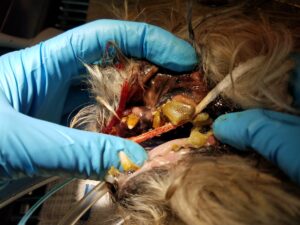
This dog has advanced dental disease and really needed the dental care he got at Applebrook Animal Hospital
Many signs of dental disease are easy to miss or mistaken for aging or personality quirks. Common symptoms include:
Bad breath (beyond “normal dog breath”)
Red, swollen, or bleeding gums
Yellow or brown tartar buildup
Dropping food or chewing on one side
Pawing at the mouth or face
Facial swelling
Lethargy or behavioral changes
Cats may show subtle signs such as hiding more, decreased grooming, preference for soft food, or irritability. If you notice any of these, schedule a pet dental care evaluation promptly.
What a Veterinary Dental Cleaning Includes
Professional pet dental care goes far beyond brushing. At Applebrook Animal Hospital, a comprehensive dental cleaning includes:
General anesthesia for safety and comfort
Scaling above and below the gumline
Polishing to reduce plaque buildup
Complete oral examination
Dental radiographs (X-rays) to evaluate tooth roots and jawbone
Treatment recommendations, including extractions if needed
Dental X-rays are critical, as more than half of a tooth’s structure is below the gumline and invisible without imaging.
Addressing Anesthesia Concerns
Many owners worry about anesthesia, particularly for older pets. Modern veterinary anesthesia is very safe, and each patient is carefully evaluated with:
Physical examination
Pre-anesthetic bloodwork
Individualized anesthetic plans
Continuous monitoring during the procedure
Treating dental disease often improves energy, appetite, and overall quality of life—even in senior pets.
Why January Is an Ideal Time for Dental Care
A Fresh Start for Health
January aligns with preventive care goals. Early dental care sets your pet up for improved comfort and health throughout the year.
Quieter Schedules
After the holidays, families often have more flexibility for scheduling procedures and recovery periods.
Take Advantage of Our Dental Promotion
Applebrook Animal Hospital is offering a dental cleaning promotion for pets scheduled in January and February. This limited-time offer helps prevent dental disease from progressing and encourages timely care.
Dental Care Differences: Dogs vs. Cats
Dogs
Tartar buildup
Periodontal disease
Tooth fractures from chewing
Abscessed teeth
Small breeds are especially prone to severe dental disease
Cats
Gingivitis and stomatitis
Tooth resorption (painful and unique to cats)
Severe inflammation with minimal visible tartar
Often hide discomfort, making regular evaluations essential
Home Care Tips to Support Pet Dental Care
Professional cleanings are essential, but home care supports long-term oral health. Strategies include:
Brushing your pet’s teeth with pet-safe toothpaste
Feeding veterinarian-approved dental diets
Using vet-recommended dental chews or treats
Scheduling regular wellness exams to monitor oral health
Your veterinary team can create a personalized home-care plan based on your pet’s age, temperament, and dental status.
FAQs About Pet Dental Care
Q: How often should pets get dental cleanings?
A: Most dogs and cats benefit from annual veterinary dental cleanings, though frequency depends on age, breed, and oral health.
Q: Can brushing my pet’s teeth replace professional dental care?
A: Brushing is helpful but cannot replace professional veterinary dental cleanings.
Q: Are dental cleanings safe for older pets?
A: Modern anesthesia and pre-procedure testing make dental cleanings very safe, even for senior pets.
Q: What happens if I ignore my pet’s dental disease?
A: Untreated dental disease can cause pain, infections, and affect the heart, kidneys, and liver.
For more tips on maintaining your pet’s oral health, visit the AVMA guide to pet dental care and the AVDC dental health resource.
Schedule Your Pet’s Dental Cleaning Today
January is the perfect time to invest in your pet’s long-term health. With our January–February dental cleaning promotion, there’s no better opportunity to provide your dog or cat with a healthier mouth and a brighter start to the year.
Call 423-238-7387 or click here to schedule a pet dental care evaluation and appointment today.