
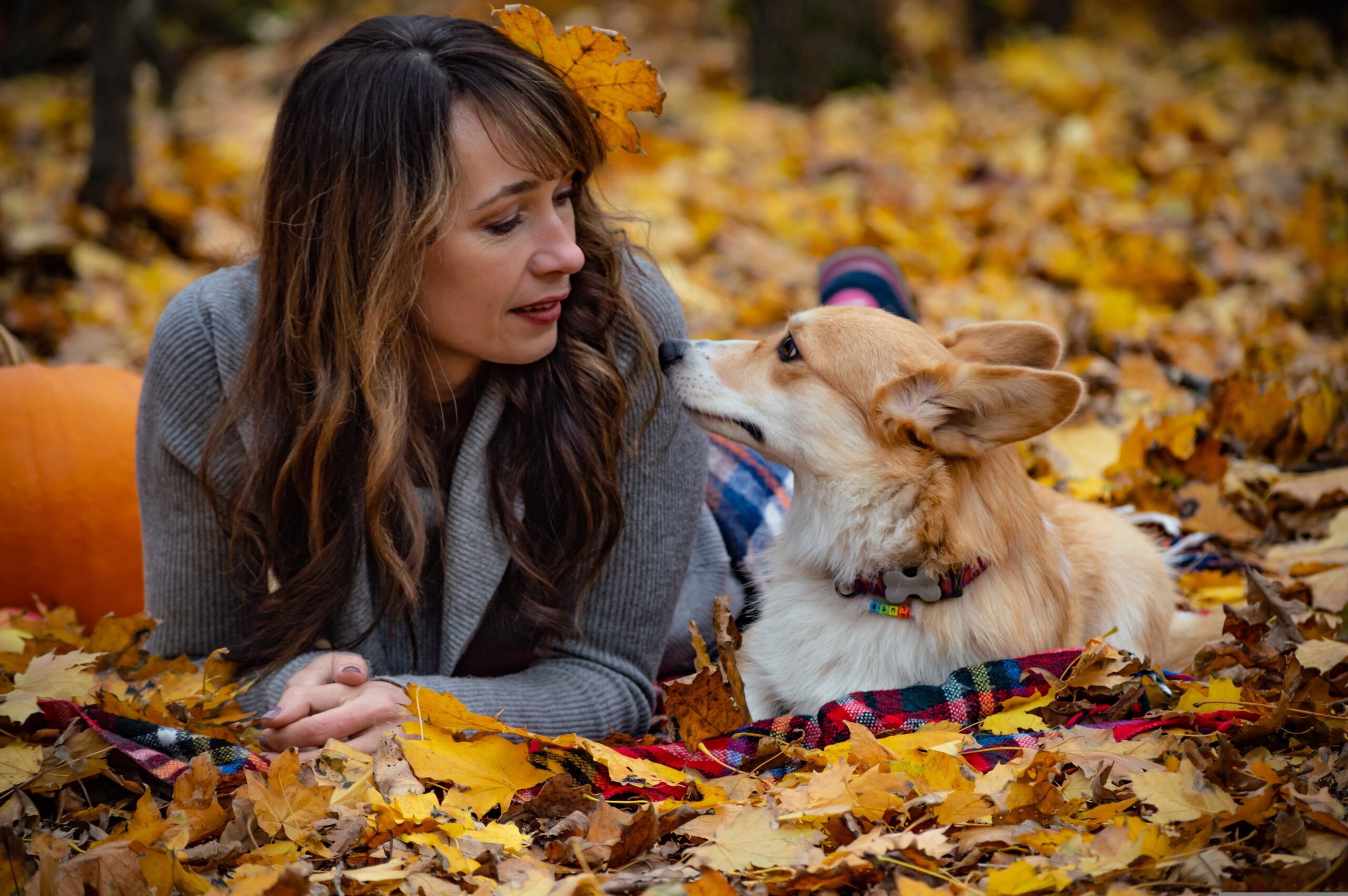
Thanksgiving is a time for family, good food, and—if your pets are anything like ours—plenty of hopeful eyes watching from underneath the table.
It’s tempting to share a little of your Thanksgiving dinner with your dog or cat, but some holiday foods can cause anything from an upset stomach to a life-threatening emergency. The good news is that there are several Thanksgiving foods that can be safely shared with your pet in moderation.
Here’s our veterinarian-approved guide to Thanksgiving foods for dogs and cats.
Thanksgiving Foods Your Pet Can Safely Enjoy
Plain, cooked turkey:
Turkey can be a healthy source of protein for dogs and cats. Offer small amounts of plain, fully cooked turkey without skin, seasoning, gravy, or bones. Remove all bones carefully before sharing.
Plain sweet potatoes:
Cooked sweet potato is generally safe for dogs and cats in small amounts. Skip the butter, brown sugar, marshmallows, and other Thanksgiving toppings.
Green beans:
Plain cooked green beans make a low-calorie treat for dogs and can be offered in small amounts to cats as well. Avoid green bean casserole because it typically contains ingredients that aren’t appropriate for pets.
Pumpkin:
Plain canned pumpkin—not pumpkin pie filling—is a good source of fiber and can be a tasty addition to your pet’s meal. A small spoonful is plenty for most pets.
Plain carrots:
Cooked or raw carrots can make a crunchy, low-calorie treat for many dogs. Cut them into appropriately sized pieces to reduce the risk of choking.
Thanksgiving Foods to Give Only in Small Amounts
Even foods that aren’t toxic can cause problems when pets eat too much of them.
Rich, fatty foods can lead to vomiting, diarrhea, and, in some dogs, pancreatitis. If you want to give your dog a taste of Thanksgiving dinner, think small portion, plain ingredients rather than a plateful of leftovers.
Remember that treats should make up only a small portion of your pet’s overall diet. A few bites are plenty.
Thanksgiving Foods Your Pet Should NOT Eat
Some of the most common Thanksgiving dishes contain ingredients that are unsafe for pets.
Onions, garlic, and other alliums:
These ingredients can damage red blood cells and cause anemia, particularly in dogs and cats. They can be found in stuffing, gravy, casseroles, sauces, and many seasoned dishes.
Turkey bones:
Cooked bones can splinter and cause choking, intestinal obstruction, or gastrointestinal injury. Never give your pet cooked turkey bones.
Turkey skin and gravy:
These are often high in fat and may also contain seasonings such as onion and garlic. They’re best left off your pet’s plate.
Stuffing:
Traditional stuffing may contain onions, garlic, excessive fat, and other ingredients that aren’t safe for pets.
Chocolate:
Chocolate can be toxic to both dogs and cats. The darker and more concentrated the chocolate, the greater the risk.
Grapes and raisins:
Even relatively small amounts can cause serious kidney injury in dogs. Keep foods containing raisins well away from pets.
Xylitol:
This artificial sweetener can cause a dangerous drop in blood sugar and potentially liver injury in dogs. Check labels carefully, particularly on sugar-free desserts, candy, and some baked goods.
Alcohol:
Alcohol is toxic to pets and should never be intentionally given to a dog or cat.
Don’t Forget About the Thanksgiving Trash
Sometimes the biggest Thanksgiving danger isn’t what’s on the dinner table—it’s what’s in the garbage. Turkey bones, fatty scraps, food wrappers, skewers, and discarded food can all be tempting to a curious pet. Keep trash securely contained and take it outside if necessary. It can also help to give your dog a special chew or food puzzle during dinner so they’re less interested in what everyone else is eating.
What If Your Pet Eats Something They Shouldn’t?
Don’t wait for symptoms before asking for advice. The appropriate response depends on what was eaten, how much was eaten, and your pet’s size and health history. If your pet gets into chocolate, raisins, xylitol, medications, or another potentially toxic substance, contact your veterinarian or a pet poison service promptly. If your pet has difficulty breathing, collapses, has seizures, or appears severely ill, seek emergency veterinary care immediately.
Enjoy Thanksgiving With Your Pet
Your pet doesn’t need to miss out on the Thanksgiving fun. A few bites of plain turkey, sweet potato, green beans, or pumpkin can be a perfectly reasonable holiday treat. The key is to keep portions small, avoid heavily seasoned and fatty foods, and make sure everyone in the household knows which foods are off-limits.
From all of us at Applebrook Animal Hospital, we wish you and your two- and four-legged family members a happy and safe Thanksgiving!