
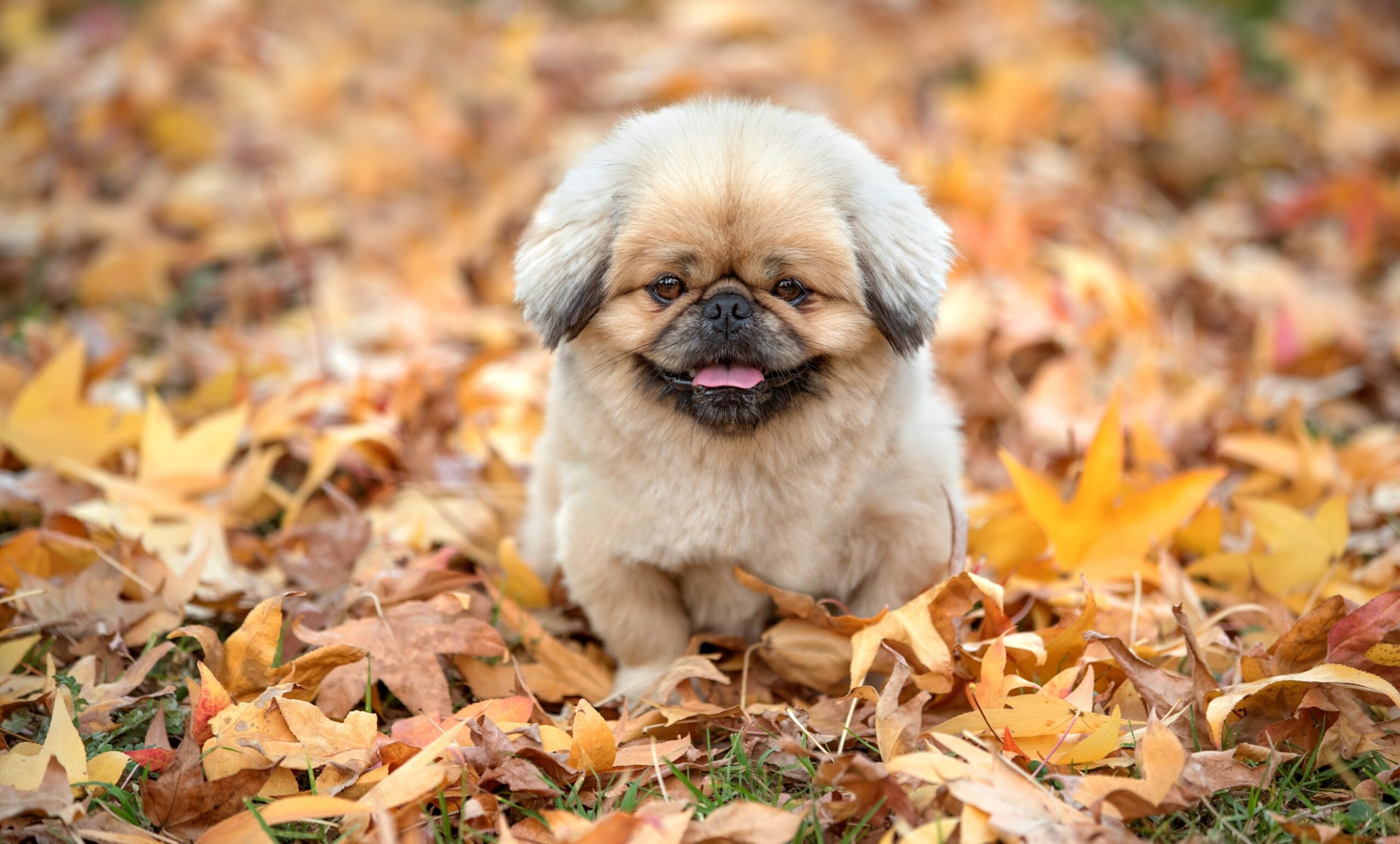
Fall Pet Safety: Keeping Your Dog or Cat Healthy as the Seasons Change
Fall is one of the best times of year in Tennessee. Cooler temperatures make walks more enjoyable, the leaves start to change, and many of us spend more time outdoors with our pets. But the change in seasons also brings a few hazards that pet owners should keep in mind.
At Applebrook Animal Hospital, we want your dogs and cats to enjoy the season safely. Here are some simple fall pet-safety tips for families in Ooltewah, Collegedale, Cleveland, and the surrounding area.
Watch Out for Mushrooms and Other Outdoor Hazards
Cooler, wetter fall weather can lead to mushrooms popping up in yards, wooded areas, and along walking trails. While some mushrooms are harmless, others can be extremely toxic to pets, and it can be difficult to tell the difference.
Dogs are particularly likely to investigate—and sometimes eat—interesting things they find outside.
If your dog spends time in the yard, take a quick look around for mushrooms and remove anything suspicious. During walks, keep curious dogs from eating plants, fungi, or other unknown objects.
If you think your pet has eaten something potentially toxic, don’t wait for symptoms to appear. Contact your veterinarian or a pet poison service promptly.
Keep Your Pet Safe Around Halloween Decorations
Halloween decorations can be fun for us but confusing for pets.
Electrical cords, small decorations, glow sticks, batteries, and other objects can become tempting chew toys. A curious dog or cat can turn a harmless decoration into a gastrointestinal emergency.
Keep decorations where your pets can’t reach them, and be especially careful with anything containing batteries. Battery ingestion can cause serious injury to the gastrointestinal tract
And remember that candles and other open flames can be dangerous around curious pets and wagging tails.
Chocolate and Candy Are Not Pet Treats
Halloween candy deserves special attention.
Chocolate can be toxic to dogs and cats, with darker chocolate generally posing a greater risk. Sugar-free candies can be even more dangerous because some contain xylitol, an ingredient that can cause a life-threatening drop in blood sugar in dogs.
The safest approach is simple: keep the candy bowl completely out of reach.
If your pet manages to raid the Halloween stash, save the packaging and contact your veterinarian for advice. Knowing exactly what was eaten and approximately how much can help determine what needs to happen next.
Cooler Weather Doesn’t Mean Fleas and Ticks Are Gone
One of the biggest misconceptions about fall in Tennessee is that cooler weather means you can stop thinking about parasites.
Unfortunately, our relatively mild climate means fleas and ticks can remain active well into the fall—and sometimes throughout the winter.
Ticks can transmit several diseases to dogs, and fleas can cause significant skin irritation and contribute to flea allergy dermatitis. A flea infestation can also be surprisingly difficult to eliminate once it gets established in your home.
Continue your pet’s veterinarian-recommended flea and tick prevention throughout the year unless your veterinarian specifically recommends otherwise.
Watch for Changes in Your Pet’s Activity
Many pets become more active when the weather cools down. That can be great, but an increase in activity can also expose underlying orthopedic problems or lead to injuries.
If your dog suddenly starts going on longer walks, hiking, or playing more vigorously after a hot Tennessee summer, increase activity gradually.
Pay attention to signs such as:
– Limping or stiffness
– Reluctance to climb stairs
– Difficulty getting up
– Excessive panting
– Decreased interest in exercise
– Licking or chewing at a particular joint or paw
Cats may show discomfort differently. A cat that becomes less willing to jump, stops using favorite elevated resting places, or becomes more withdrawn may be experiencing pain.
Don’t assume these changes are simply part of getting older. Your veterinarian can help determine whether there is an underlying problem.
Be Careful With Rodenticides
Fall can also bring rodents closer to homes as temperatures drop, which sometimes means homeowners reach for mouse or rat poison.
Rodenticides can be extremely dangerous to pets. Dogs in particular may find and eat bait that has been placed in garages, sheds, crawl spaces, or around buildings.
If you use rodent control products, make sure they are completely inaccessible to your pets. Better yet, discuss pet-safe pest-control strategies with a professional.
If you suspect your pet has consumed rodenticide, contact your veterinarian immediately. Don’t wait for symptoms to develop.
Check Your Pet’s Identification
Fall is a good time to make sure your pet’s identification information is current.
As the weather cools, pets may spend more time outside, travel with their families, or encounter unfamiliar situations. Check that your pet’s collar tag has your current phone number and that their microchip registration information is up to date.
A microchip only works if the associated contact information is current.
Enjoy Fall With Your Pet
The good news is that most of these precautions are simple. With a little awareness, fall can be a wonderful season for pets and their people.
Take your dog for a walk through the changing leaves. Let your cat enjoy a sunny window. Spend some extra time playing together as the temperatures become more comfortable.
And if you notice something unusual about your pet—whether it’s a new lump, a change in appetite, a limp, unusual behavior, or simply the feeling that something isn’t quite right—it’s worth discussing with your veterinarian.
At Applebrook Animal Hospital, we’re here to help keep your pets healthy through every season.
Happy fall from all of us at Applebrook Animal Hospital!